


Key takeaways
- Starting laser early gave surgical scars the strongest results in studies, but even year-old C-section scars changed by 6 months.
- Timing: In a review of 14 controlled studies, scars treated within 1 month of surgery scored better than untreated scars; treatment started after 3 months didn't show a clear difference.
- When to judge: For the first 1 to 3 months after laser, redness and brown discoloration tend to stand out more than the scar change itself, so compare photos at around 6 months.
- A keloid, which spreads past the incision line, tends to persist and resist treatment, so it's worth telling apart first.
For surgical scars like a C-section scar, laser treatment showed the clearest benefit when it started within about 1 month of surgery. When treatment began more than 3 months after surgery, pooled studies didn't find a statistically clear difference, though most of those scars were on the face and neck. Older scars aren't out of options, either: in a small trial on C-section scars more than a year old, 3 laser sessions led to a visible difference in blinded photos at 6 months.
Is a Red, Raised C-Section Scar a Few Weeks After Surgery Normal?
Is a Red, Raised C-Section Scar a Few Weeks After Surgery Normal?
If the scar turned pink or red and slightly raised within a few weeks, and it stays inside the incision line, it looks like a hypertrophic scar. These scars can flatten on their own over time, and they usually respond to treatment better than keloids do. They're more likely to form when a healing wound is under a lot of tension.
A keloid looks different. It's often purplish red, firm, and grows beyond the original incision edges. Keloids can show up months or even years after surgery, and they tend to persist rather than fade. Both types can itch or feel uncomfortable, so the timing and the spread matter more than the symptoms alone.
Is a Red, Raised C-Section Scar a Few Weeks After Surgery Normal?
When Did Laser Treatment Make the Biggest Difference?
When Did Laser Treatment Make the Biggest Difference?
Starting within the first month made the biggest difference. A 2025 review pooled 14 controlled studies, covering 492 participants or scars, that used fractional CO2 laser on surgical scars. Scars treated within 1 month of surgery scored better than untreated scars and better than scars treated after 3 months. When treatment started after 3 months, there wasn't a statistically clear difference from no treatment.
Fractional CO2 laser makes thousands of tiny treatment columns in the skin. As those spots heal, new collagen forms and the scar tissue gets remodeled.
When Did Laser Treatment Make the Biggest Difference?
That number doesn't transfer neatly to a C-section scar. Most of the 14 studies looked at face and neck scars, and the single C-section study among them treated scars that were already more than a year old. Few of the studies were randomized, and results varied quite a bit between them.
| When laser started | What the studies found | Limits to keep in mind |
|---|---|---|
| Within 1 month of surgery | Better scar scores than untreated scars | Mostly face and neck scars |
| More than 3 months after surgery | No statistically clear difference | Few studies in this group |
| C-section scar older than 1 year | Better blinded photo ratings at 6 months after 3 sessions | Only 11 people; overall scar score not significantly different |
The first number to know is how many months it's been since your surgery.
Is It Too Late for a C-Section Scar That's Over a Year Old?
Is It Too Late for a C-Section Scar That's Over a Year Old?
Not necessarily. A Danish trial took 12 women with C-section scars more than a year old, split each scar in half, and treated only one half with fractional CO2 laser 3 times. Eleven finished the study. At 1 month, the treated halves were softer and smoother. At 6 months, raters who didn't know which half was treated scored the treated side better in photos. The overall scar score, rated by both doctors and patients, didn't reach a statistically significant difference at 6 months.
Timing is the takeaway here. In the first 1 to 3 months after treatment, temporary redness and brown discoloration were more noticeable than the scar change. Redness peaked around 1 month and discoloration around 3 months. That's why judging results from photos at 2 or 3 months is too early. Compare at around 6 months, under the same conditions as your first photo. By then, 64% of participants wanted their untreated half treated as well. How much you see depends on your skin.
Is the Redness After Laser Normal, and When Should You Call?
Is the Redness After Laser Normal, and When Should You Call?
Redness, swelling, thin crusts, and some peeling right after treatment are expected. With stronger fractional laser settings, swelling can last up to a week. Redness and brown discoloration can linger for 1 to 3 months. Discoloration is more common if you've had melasma or dark marks after inflammation before, and in darker skin tones.
Contact the clinic that treated you right away if you notice:
- Oozing that turns yellow or cloudy, or any pus
- Pain and warmth that get worse each day, or redness that keeps spreading
- Clusters of small blisters on the treated area
- The treated area becoming thicker and more raised a few weeks later
When you reach out, include the treatment date and photos taken from the same distance, so changes are easy to compare.
What Should You Have Ready Before a Consultation?
What Should You Have Ready Before a Consultation?
Start with your surgery date, which tells you how many months it's been. Whether you're within 1 month, past 3 months, or past a year changes what kind of change is realistic, so having that number ready makes your options easier to compare.
STON Clinic is in Seoul. If you'd like it to take a look, send one photo showing the whole scar and one close-up, when the scar first became raised, and whether you've ever had a keloid anywhere else. Mention it if you're breastfeeding or have taken oral acne medicine (isotretinoin) in the last 6 months. If you start treatment, retake photos at around 6 months in the same light and from the same distance, and put them next to your first ones.
If this raised a question about your own skin
Ask a questionReferences
- When to start fractional CO2 laser on surgical scars, 14 studies pooled — J Cosmet Dermatol, 2025 — PubMed Central
- Randomized trials of laser within 1 month of surgery, pooled — Dermatol Surg, 2020 — PubMed Central
- Split-scar laser trial on C-section scars older than 1 year — Lasers Surg Med, 2017 — PubMed Central
- How keloids and hypertrophic scars differ and how they're treated — DermNet — DermNet NZ
- Swelling, discoloration, and infection after fractional laser — DermNet — DermNet NZ
- When CO2 laser may not be suitable, and its side effects — DermNet — DermNet NZ
- What silicone sheets and gels are used for — DermNet — DermNet NZ
Frequently asked questions
Q. Can silicone sheets or gel flatten a C-section scar on their own?
A. Silicone sheets and gels are used on healed wounds to help with hypertrophic scars and keloids, and they're typically worn 12 to 24 hours a day for at least 8 to 12 weeks. That said, the evidence that they shrink an established scar isn't strong. Whether to combine them with laser depends on the scar.
Q. How many laser sessions does a surgical scar usually take?
A. In studies, it ranged from 1 to 6 sessions. One session within the first month made a difference in some studies, but most used 2 to 3 sessions or more. The trial on year-old C-section scars used 3 sessions. The number usually depends on scar thickness and how your skin responds.
Q. My C-section scar itches and stings. Is that normal?
A. Both hypertrophic scars and keloids can itch or feel uncomfortable. Easing pain and itch is one of the goals of scar treatment, not just improving the look. If the scar spreads past the incision line or keeps growing over a few months, have it checked.
Q. Can I get laser treatment if I've had a keloid before?
A. A tendency to form keloids or hypertrophic scars is listed as a situation where CO2 laser may not be suitable. Keloids can also come back larger after they're cut out. Tell your provider about that history before any treatment, so other options like injections or pressure can be considered too.
Q. Does taking oral acne medicine affect scar laser treatment?
A. If you've taken oral isotretinoin in the past 6 months, CO2 laser may not be suitable. Check the date of your last dose and share it before your consultation. Treatment is also usually postponed if there's an active cold sore or other infection on the area.
Q. How careful do I need to be about the sun after laser?
A. While the area heals and for several months after, use SPF 50 or higher and cover the area with clothing. A C-section scar is usually covered, but if you have beach or pool plans that expose your stomach, mention them when you plan treatment.
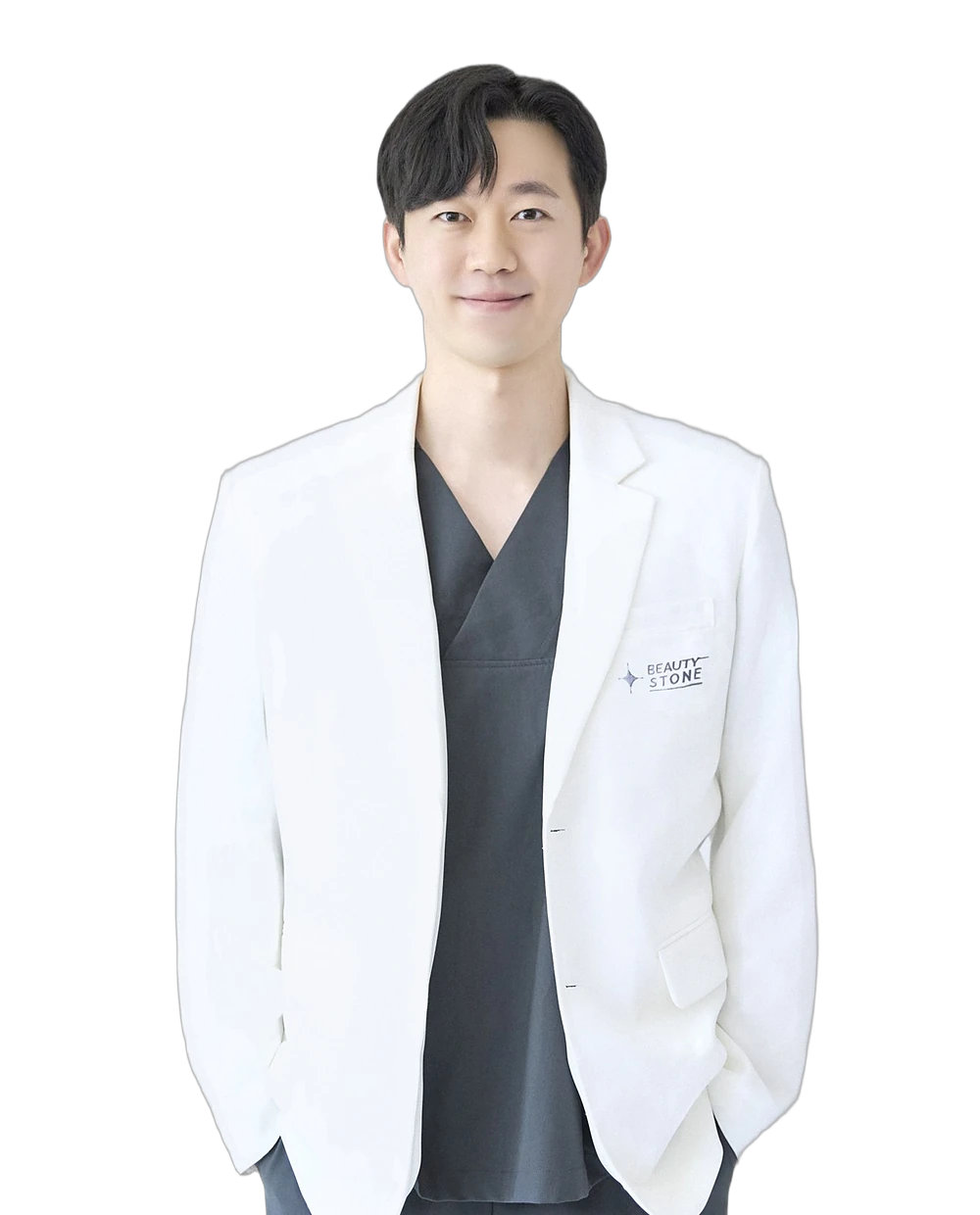
Jangju Kim Senior Director
JANGJU KIM
Dr. Jangju Kim is a clinic director at STON Clinic, LOTTE HOTEL in Myeongdong.
Career / Education
- 현) 스톤클리닉 명동 롯데호텔 원장
- 경희대학교 의과대학 졸업
Comments