


Key takeaways
- There's no long-term data on sagging after cheek fat-dissolving injections, so figuring out what makes your cheeks full comes before deciding how much to reduce.
- Approval: Deoxycholic acid injection is FDA-approved only for fat under the chin, and the label doesn't recommend using it elsewhere.
- Under the chin, sessions were spaced at least 1 month apart, up to 6 in total, and most people improved by one grade or more within 2 to 4 sessions.
- Better to hold off if: the fullness doesn't pinch, the area below the cheekbones is already hollowing, or the skin is loose.
No study has followed people for years after fat-dissolving injections in the front of the cheeks, so nobody can promise they won't look hollow later. What we do know is that with age, the deep cheek fat shrinks and the cheek fat pads slide downward. Taking out a lot of volume now could make that later hollowing easier to see, which is why the first question isn't how much to remove, but whether the fullness is fat you can actually pinch.
Is My Cheek Fullness Fat, Muscle, or Bone?
Is My Cheek Fullness Fat, Muscle, or Bone?
A gentle pinch is a good first check. If a soft, thick roll lifts with the skin, you likely have more superficial fat just under the skin. If the pinch is thin but the lower cheek still looks round, the deeper buccal fat pad may be doing more of the work. That pad sits deep inside the cheek, on top of the cheek muscle, as a forward extension of the fat that fills the space around the chewing muscles.
Now clench your teeth. If the area in front of your ear and above the jaw angle hardens and bulges, an enlarged chewing muscle (the masseter) is widening your face. That usually makes the jaw look square rather than the front of the cheek look full. If pinching and clenching don't change much, the shape of your cheekbone or jaw is probably the main factor.
| Cause | What you notice | Fit for fat-dissolving injections |
|---|---|---|
| Superficial fat under the skin | Soft, thick pinch | This is the layer the drug targets |
| Deep buccal fat pad | Thin pinch, round lower cheek | A different, deeper layer |
| Masseter muscle | Jaw angle hardens when you clench | Not fat, so not a target |
| Cheekbone or jawbone | Little change with pinching or clenching | Not a target |
Is My Cheek Fullness Fat, Muscle, or Bone?
How Much Can a Contouring Injection Actually Reduce?
How Much Can a Contouring Injection Actually Reduce?
Of the many "contouring injections" out there, the one with real evidence behind it is deoxycholic acid. It's a compound your body already makes to digest fat. Injected into fat, it breaks down the walls of fat cells, and as the inflammation that follows clears, the area gets smaller.
In the U.S., it's approved under the brand name Kybella for adults with fullness under the chin, and that's it. The label says it isn't approved for fat outside that area and that such use isn't recommended. It also lists serious problems reported after off-label use, including muscle or nerve injury in the face and lumps that may not go away. Evidence for facial use outside the chin is thin: a 2019 review found only 10 relevant papers across all off-label areas. If your injection is a mix of ingredients, ask for the ingredient names, because the numbers here only apply to deoxycholic acid.
Under the chin, people had up to 6 sessions spaced at least 1 month apart. Most improved by at least one grade within 2 to 4 sessions, and results were judged 12 weeks after the last injection. So it's a slow change you judge over months, not something you see after a single visit. Keep in mind these figures come from the chin, since there's no comparable research on the front of the cheeks. Results differ from person to person.
Will Slimmer Cheeks Look Hollow or Saggy With Age?
Will Slimmer Cheeks Look Hollow or Saggy With Age?
The real question isn't whether the injection itself causes sagging. It's whether the reduced area overlaps with changes that aging brings anyway. As we get older, the fat pads of the midface slide lower, and within each pad, volume shifts toward the bottom. The deep cheek fat under the eyes loses volume.
Superficial cheek fat, on the other hand, stayed about the same over 10 years in people tracked from their 50s into their 60s. So the hollowing you see with age mostly comes from the deep fat and from fat that's moved downward. The deep buccal fat pad also grows between ages 10 and 20, then slowly shrinks over the following 30 years.
A 2018 review of buccal fat removal surgery named long-term hollowing of the mid-cheek as one of its biggest concerns, and it pointed out that no long-term follow-up had been published. Injections differ from surgery in both depth and amount. Still, if this worry is on your mind, ask your provider whether the area you want to slim overlaps with spots that tend to hollow with age, like under the eyes or below the cheekbones.
What's Normal After the Injection, and When Should You Call?
What's Normal After the Injection, and When Should You Call?
Swelling, bruising, and soreness for several days are expected. In 515 people treated under the chin, the median duration was 9 days for bruising, 10 days for swelling, 28 days for firmness, and 43 days for numbness. There's no separate data for the front of the cheeks, so treat these as chin-based numbers.
What's Normal After the Injection, and When Should You Call?
Don't wait these out. Contact the clinic that treated you right away if you notice:
- Redness that keeps spreading, with warmth and pain that get worse each day
- Pus or fluid draining from a lump
- A lump that grows, or one that hasn't shrunk after several weeks
- One side of your smile or face moving less, or numbness and tingling that won't go away
- Skin over the area breaking open or turning dark
Accidental injection into a blood vessel has also been reported. The FDA's list of warning signs for dermal fillers is a useful guide here. Seek medical care right away if skin near the injection site turns white, gray, or blue, or if you have unusual pain. Go to the nearest emergency room for vision changes, or for signs of a stroke: sudden trouble speaking, numbness or weakness in the face, arms, or legs, trouble walking, face drooping, severe headache, dizziness, or confusion.
When Is It Better to Hold Off on Cheek Injections?
When Is It Better to Hold Off on Cheek Injections?
Injections are worth considering when there's clearly pinchable superficial fat and your skin still has good elasticity. In other situations, it makes sense to look at the cause again before choosing a way to slim down.
- The pinch is thin but the lower cheek looks round: deep fat or bone shape is likely the reason, so an injection under the skin may change little.
- The area below the cheekbones or under the eyes is already hollowing: these spots lose fat with age, and removing more can make hollowness stand out.
- The skin is loose: after fat is reduced, extra skin can be left behind and the result may not look good. Fat-reducing injections aren't used for sagging caused by thinning tissue under the skin.
- The jaw angle hardens when you clench: that's muscle, not fat, so fat-dissolving injections aren't the right tool.
Before you decide, ask, "Is the fullness in my cheeks superficial fat or deep fat?" That one answer tells you a lot about whether injections fit. If you go ahead, agree on how many sessions, how many weeks apart, and when you'll compare photos after the last one. STON Clinic is in Seoul. When you reach out, include front and side photos with a relaxed face and a smile, one side photo with your teeth clenched, and any fillers, fat grafting, or fat-dissolving injections you've had in your cheeks.
If this raised a question about your own skin
Ask a questionReferences
- U.S. prescribing information for deoxycholic acid injection: approved use, sessions, side effects — FDA via DailyMed, 2026
- Under-the-chin trials pooled by treatment session — Aesthet Surg J, 2018 — PubMed Central
- Review of deoxycholic acid used outside the chin — J Drugs Dermatol, 2019 — PubMed Central
- How the midface fat pads change with age, a CT study — Plast Reconstr Surg, 2012 — PubMed Central
- Superficial cheek fat volume tracked over 10 years — Aesthetic Plast Surg, 2018 — PubMed Central
- Review of long-term concerns after buccal fat removal — Plast Reconstr Surg Glob Open, 2018 — PubMed Central
- Serious side effects of chin and jawline fat-dissolving injections and choosing candidates — Aesthet Surg J Open Forum, 2024 — PubMed Central
- Signs of a blocked blood vessel after an injection — U.S. FDA — U.S. Food and Drug Administration
Frequently asked questions
Q. Can I get these injections if I've had cheek filler or fat grafting before?
A. It calls for extra care. The U.S. label notes that prior surgery or cosmetic treatment in the same area can change the anatomy or leave scar tissue, which can make the injection harder to do safely and the result harder to predict. Share what you had, when, and roughly how much.
Q. I'm a man. Is it okay to inject where my beard grows?
A. Hair loss at the injection site has been reported, and in some people it lasts a long time. The label suggests holding off on further sessions until it recovers. Some experts suggest injecting 1 to 2 mm deeper in men to lower this risk, so bring it up before treatment if the area has beard growth.
Q. Can I get a fat-dissolving injection if I take blood thinners?
A. Antiplatelet or anticoagulant medicines can lead to more bleeding and bigger bruises at the injection site, so caution is needed. Share the name of the medicine and why you take it before treatment. Never stop it on your own; that decision belongs with the doctor who prescribed it.
Q. Can I get these injections while pregnant or breastfeeding?
A. There are no adequate studies in pregnant women, and it isn't known whether the drug passes into breast milk. If you're pregnant, planning a pregnancy, or breastfeeding, mention it before treatment so the timing can be discussed.
Q. Can I get injected over an active breakout on my cheek?
A. The drug shouldn't be used where there's an infection at the injection site. If you have red, pus-filled pimples on your cheek, it's safer to wait until they settle. Injection-site infections that turned into cellulitis or an abscess have been reported, so have your skin checked first.
Q. If my smile becomes uneven, will it come back?
A. In the under-the-chin trials, 4% had this kind of nerve effect, and every case recovered on its own within 1 to 298 days (median 44 days). The front of the cheek has different facial nerve branches, though, so those numbers may not carry over. If your facial movement changes, take a photo and contact the clinic right away.
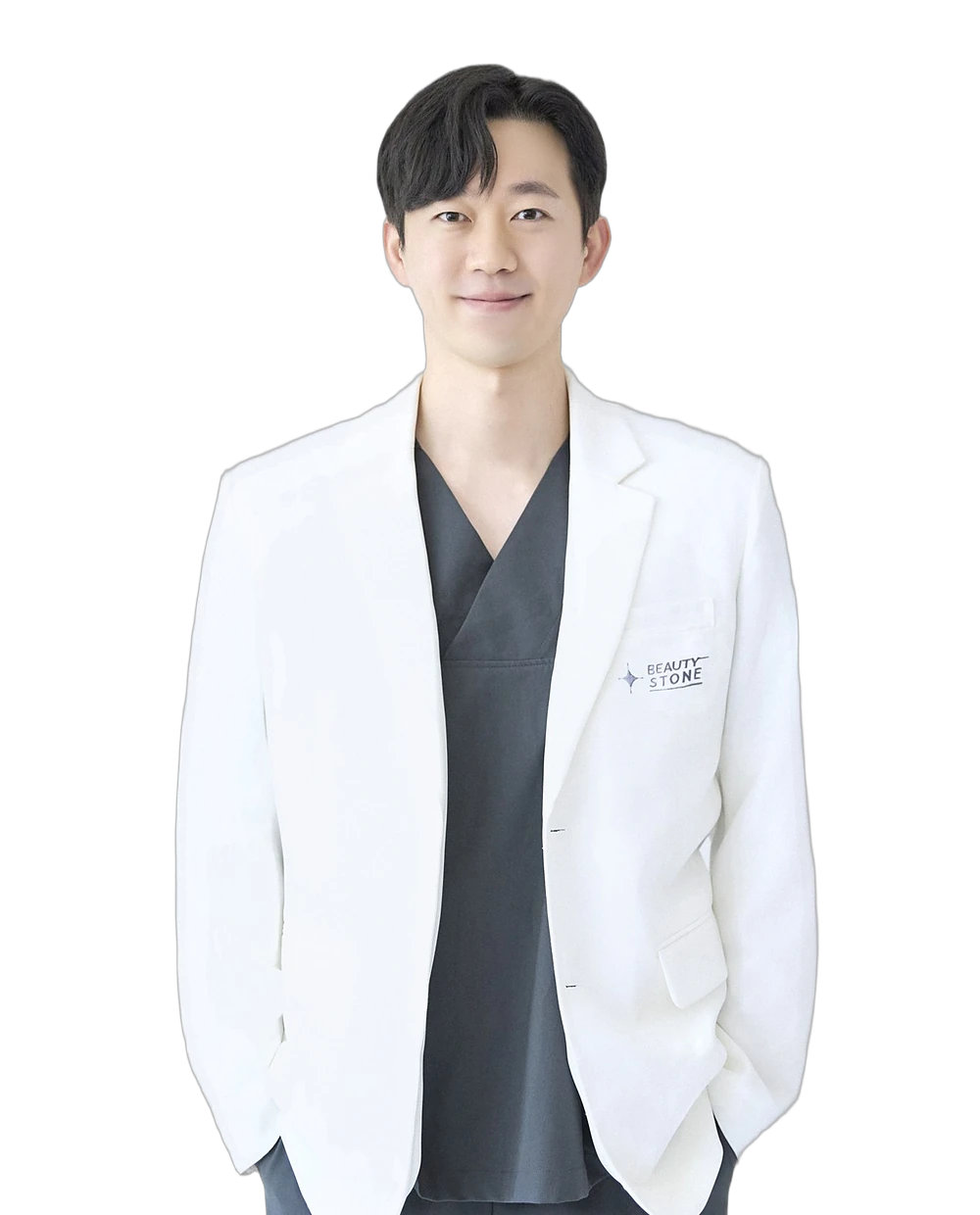
Jangju Kim Senior Director
JANGJU KIM
Dr. Jangju Kim is a clinic director at STON Clinic, LOTTE HOTEL in Myeongdong.
Career / Education
- 현) 스톤클리닉 명동 롯데호텔 원장
- 경희대학교 의과대학 졸업
Comments