


Key takeaways
- After a thread lift, go easy on opening wide for the first few days, and plan for up to 3 weeks of caution.
- How long: published guidance ranges from 48 hours to 3 weeks; the 3-week advice comes from the non-dissolving thread era.
- If your cleaning or checkup can wait, booking it after the 3-week mark avoids any overlap.
- Call right away: red, hot swelling, fever, pus, or a thread end poking through the skin.
Opening your mouth wide feels hardest for the first 2 to 3 days after a thread lift, and the longest guidance says to limit it for 3 weeks. That's because the threads are still settling in. Their tiny barbs hold the tissue up while the surrounding tissue slowly grips them, so big stretching movements are kept to a minimum early on. A dental cleaning or filling, which keeps your mouth open for a long time, falls into that same window.
Can Opening Your Mouth Wide Loosen or Pull Out the Threads?
Can Opening Your Mouth Wide Loosen or Pull Out the Threads?
There's no evidence that one wide yawn will pull a thread out. Still, threads are settling in during the first weeks. Small barbs along each thread hook into the fat layer of your cheek and jawline and hold it up. Over the following weeks, the surrounding tissue wraps around the thread and the hold gets firmer.
Barbs (cogs): tiny, one-way spikes along the thread, a bit like a fishhook. They grip the tissue under the skin and hold it in a lifted position.
When you open wide, the skin over your cheeks and jawline stretches downward. That's the opposite direction from the lift, so you may feel pulling or a catch for the first few days. That's why aftercare advice asks you to avoid heavy chewing and exaggerated facial expressions in early recovery. The goal is to keep the threads stable while they settle.
Can Opening Your Mouth Wide Loosen or Pull Out the Threads?
How Long Should You Limit Yawning, Wide Opening, and Hard Foods?
How Long Should You Limit Yawning, Wide Opening, and Hard Foods?
It depends on where the threads went and what they're made of, and guidance varies. At the short end, patients who had dissolving threads placed in the neck avoided opening wide for 48 hours. At the long end, a 2008 review written when non-dissolving threads were common advised avoiding wide mouth opening and any massage for 3 weeks.
| Source | Area and thread type | Mouth opening and chewing advice |
|---|---|---|
| Neck thread lift, 20 women (2019) | Neck; dissolving PDO and PLLA threads | Avoid opening wide for 48 hours |
| Double chin thread lift anatomy review (2025) | Under the chin and jawline | Discomfort opening wide lasts 1 to 3 days |
| Dissolving thread technique study (2026) | Face; PDO threads | Limit heavy chewing and big expressions in early recovery |
| Thread lift review (2008) | Face; mostly non-dissolving threads | Soft foods for 7 days; avoid opening wide for 3 weeks |
How Long Should You Limit Yawning, Wide Opening, and Hard Foods?
Keep in mind those numbers came from different areas and thread types, so they aren't a single rule. Yawning is hard to stop. For the first few days, simply being aware of it and not opening all the way is enough. Cutting food into small bites also means you don't have to open as wide.
When Can You Get Dental Work or a Cleaning After a Thread Lift?
When Can You Get Dental Work or a Cleaning After a Thread Lift?
We couldn't find any guidance that sets a separate date just for dental work. A cleaning or filling keeps your mouth open wide for a long stretch, and instruments pull on the inside of your cheek. So it's best treated as part of the wide-opening window above.
If it's a routine cleaning or checkup that can wait, booking it after the 3-week mark keeps the two from overlapping. Don't put off dental care you actually need, though. A toothache or swollen gums shouldn't wait. In that case, tell your dentist the date of your thread lift and where the threads were placed (cheeks, jawline, or neck) before they start.
If you already have a dental appointment on the calendar, bring it up when you schedule your thread lift. It makes it easier to decide which comes first.
What's Normal, and What Needs a Call Right Away?
What's Normal, and What Needs a Call Right Away?
Swelling, bruising, and soreness usually show up within the first 4 weeks and settle on their own. A 2026 meta-analysis pooled swelling at 34%, bruising at 26%, and pain at 11%. A small dimple where a thread went in typically smooths out within 1 to 2 weeks, unless a barb has caught the skin directly. Individual results vary.
Meta-analysis: a study that pools the results of many studies and recalculates them together.
Contact the clinic right away if you notice any of these:
- Red, hot swelling, or swelling and pain that get worse each day
- Fever, or feeling unwell enough that you can't sleep
- Pus or crusting that keeps coming back at an entry point
- A thread end poking through the skin, or visibly pushing up just under it
- A catching, foreign-body feeling inside your mouth every time you open it
- A dimple that's still there after 2 weeks, or a new one that appeared after a yawn
Infection is uncommon, at about 2%. In patients over 50, though, it was 5.9% compared with 0.7% in younger patients. An infection needs antibiotics, and sometimes the thread has to come out. A WhatsApp message isn't a substitute for care. If you have a fever or pus, get seen first.
Planning Around a Trip to Seoul
Planning Around a Trip to Seoul
Flying isn't a reason to put off a thread lift, unless you had sedation that day. One visit won't transform your face. Some changes, like filler, show the same day, but in most cases treatments bring you gradually closer to how you used to look rather than causing a dramatic shift.
The wide-opening window can overlap with your flight home and your first meals back. Once you're home, you can send the clinic a message on WhatsApp with photos, your treatment date, and what you're noticing. If you have a fever, pus, or spreading redness, see a local doctor first instead of waiting for a reply.
What to Write Down for Your First 3 Weeks
Knowing your thread type and where it was placed makes it easier to judge how many weeks to be careful. Write down your treatment date, the thread type (PDO or another material), and the areas treated, and keep that note next to any dental or event dates. Jot down how many days it took for the discomfort when opening your mouth to ease, too.
At your consultation, ask, "Which areas will the threads go into, how many, and how many days should I limit opening wide?" That answer makes your calendar much clearer. STON Clinic is in Seoul's Myeongdong, inside Lotte Hotel Seoul near Euljiro 1-ga Station. When you message us on WhatsApp, include your treatment date, the areas treated, and any dental appointments you've already booked.
If this raised a question about your own skin
Ask a questionReferences
- Meta-analysis pooling complications from 26 thread lift studies — Front Surg, 2026 — PubMed Central
- Complications by thread type and patient age — Aesthetic Plast Surg, 2021 — PubMed Central
- Review of thread lift technique and recovery instructions — Indian J Plast Surg, 2008 — PubMed Central
- Neck thread lift with dissolving threads in 20 women — J Cutan Aesthet Surg, 2019 — PubMed Central
- Anatomy of double chin thread lifting and discomfort afterward — J Cosmet Dermatol, 2025 — PubMed Central
- Comparison of dissolving PDO thread techniques and aftercare — Clin Cosmet Investig Dermatol, 2026 — PubMed Central
Frequently asked questions
Q. Can I sleep on my side or stomach after a thread lift?
A. Sleeping on your back is the safer choice for the first week after a thread lift. A 2008 review advised sleeping on your back for a week, and a dissolving thread study recommended lying face up with your head slightly raised. Sleeping on your side or stomach presses on one cheek and pushes against the direction of the lift.
Q. When can I get a facial massage or use a gua sha tool after a thread lift?
A. Hold off on facial massage during early recovery after a thread lift, and up to 3 weeks according to the longest guidance. A 2008 review advised avoiding any massage for 3 weeks, and a dissolving thread study also asked patients to postpone massage and other facial treatments early on. Gua sha and at-home skin devices are safer after that window.
Q. How soon can I work out or use a sauna after a thread lift?
A. Take a week off from intense workouts after a thread lift. In a neck thread lift study of 20 women, patients avoided vigorous exercise and smoking for a week. A 2008 review noted that light activity can start the next day and normal activity usually returns within 7 days. Save saunas and heavy sweating for after that week too.
Q. When can I wear makeup after a thread lift?
A. Skip makeup and skin products on the entry points for at least 48 hours after a thread lift. In a dissolving thread study, patients kept the entry areas clean and product-free to lower the risk of irritation and contamination. Areas without entry points can take light makeup, but avoid rubbing your cheeks and jawline.
Q. Do dissolving and non-dissolving threads differ in problems after treatment?
A. Dissolving threads had fewer problems with numbness and threads working their way out. A 2021 meta-analysis of 26 studies found numbness in 3.1% with dissolving threads versus 11.7% with non-dissolving ones. Thread extrusion was 1.6% versus 7.6%. Thread materials and techniques varied across studies, so treat these as rough ranges.
Q. Are dimpling and infection more likely if I'm older?
A. Yes, both were more common in patients over 50. In a 2021 meta-analysis, dimpling occurred in 16% of patients over 50 versus 5.6% of younger patients. Infection was 5.9% versus 0.7%. Age alone doesn't decide whether a thread lift fits you, but if you're over 50, it helps to track any swelling or warmth by date.
Q. How long does numbness in the cheek last after a thread lift?
A. Numbness or a dull feeling in the treated area after a thread lift usually fades within a few weeks. A 2021 meta-analysis reported it in about 6% of patients, and it was less common with dissolving threads. If feeling doesn't come back on one side after several weeks, or the numb area spreads, let the clinic know.
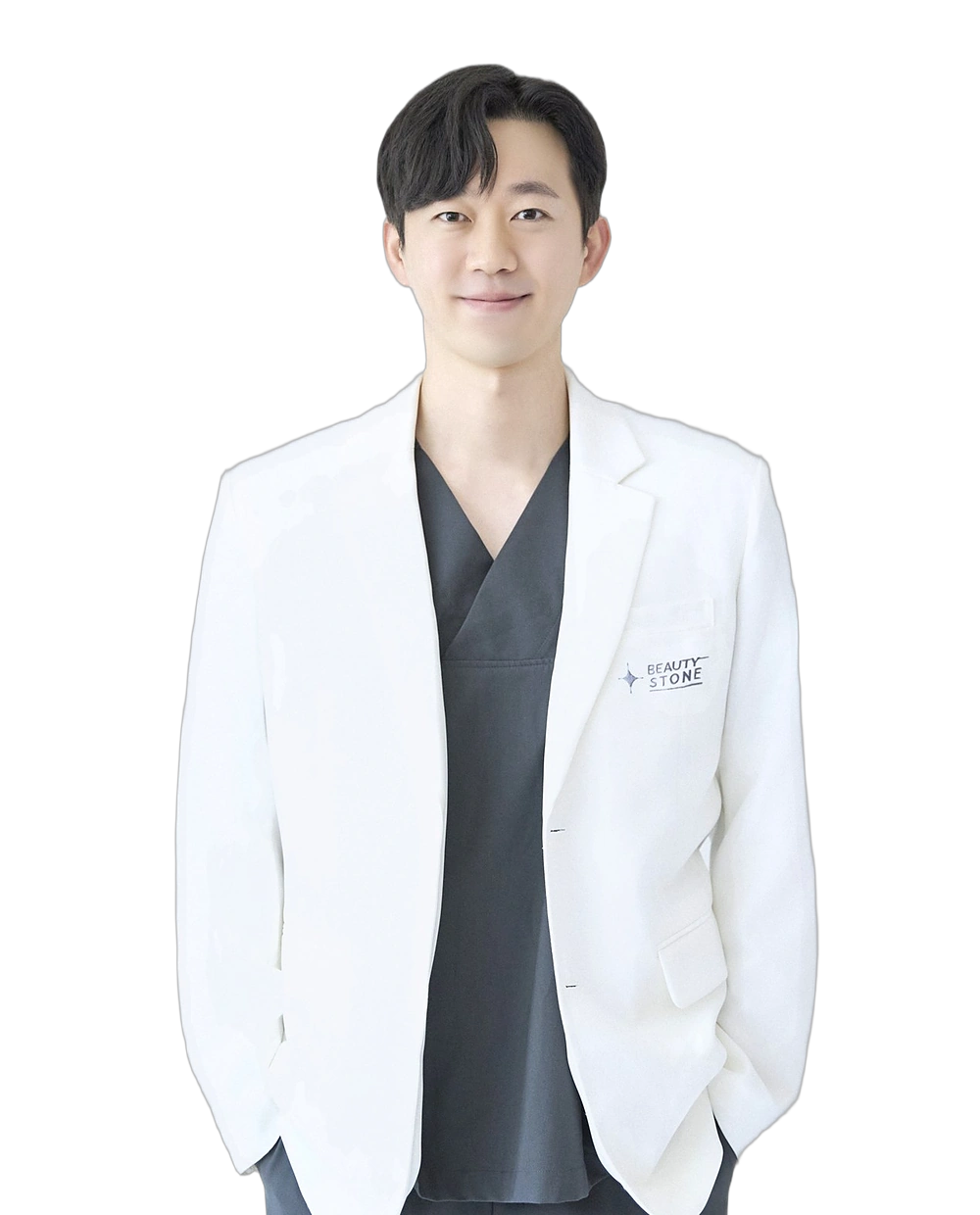
Jangju Kim Senior Director
JANGJU KIM
Dr. Jangju Kim is a clinic director at STON Clinic, LOTTE HOTEL in Myeongdong.
Career / Education
- 현) 스톤클리닉 명동 롯데호텔 원장
- 경희대학교 의과대학 졸업
Comments