


Key takeaways
- Revive pain depends mostly on technique: about 4.5 out of 10 with needles and 2.2 with a blunt cannula, both after numbing cream.
- Numbing time: the Revive studies applied a topical anesthetic for 30 minutes before treatment.
- Belotero Revive itself doesn't contain lidocaine, the numbing ingredient often mixed into fillers.
- Bruising: 20 of 25 people had small injection-site bruises in one study, and they typically cleared within 3 days.
In studies, Belotero Revive injections scored an average of 2.2 to 4.6 out of 10 for pain. Patients had numbing cream on for 30 minutes first. The bigger difference came from how the product went in: multiple needle pricks landed in the 4s, while a blunt cannula landed around 2.
Numbing cream helped keep pain tolerable in these studies, but it doesn't erase the sting of each needle entry. Here's what the studies actually measured, why technique matters more than the cream, and what's normal afterward.
How Much Does Belotero Revive Hurt?
How Much Does Belotero Revive Hurt?
Pain sits in the low-to-middle range on a 10-point scale. In a 2019 study of 25 women, each lower cheek got 20 tiny injections with a fine 30G needle. Nine of the 25 (36%) reported injection-site pain as a side effect, and every treatment-related reaction in that study was mild or moderate.
A 2026 case series of 15 patients put actual numbers on it. On a 0 to 10 scale, the needle groups averaged 4.5 to 4.6, and the cannula group averaged 2.2. Everyone had topical numbing first. A separate study of 40 patients treated with a microcannula found that 75% rated their pain as 1 out of 10.
Keep in mind these are small studies. They give you a realistic range, not a promise of how your own session will feel.
Why Do Revive Injections Sting?
Why Do Revive Injections Sting?
Belotero Revive is a hyaluronic acid skin booster with glycerol, and it's lidocaine-free. That's different from many fillers, which mix lidocaine (a local anesthetic) into the gel. The 2019 study authors pointed out that even if lidocaine were added, you'd still feel each needle go in before the numbing kicked in. That's why they suggested a topical numbing agent before treatment makes more sense.
The sting comes from the number of entry points. Each injection delivers a very small amount, about 0.05 mL in the 2019 study, so filling one cheek takes many pricks. In the 2026 case series, the needle technique divided each side of the face into 12 squares and placed 4 injections in each, for 48 needle entries per side.
Why Do Revive Injections Sting?
If you want a quick way to predict how a session will feel, ask how many times the skin will be punctured. That number tells you more than the product name.
Needle vs. Cannula: Which Revive Technique Hurts Less?
Needle vs. Cannula: Which Revive Technique Hurts Less?
The cannula group scored less than half the pain of the needle groups. All three groups in the case series had 30 minutes of topical numbing and three sessions each.
| Technique | How it goes in | Average pain (0 to 10) | Bruising |
|---|---|---|---|
| Serial needle pricks | 48 entries per side, 30G needle | 4.6 | Several times, gone within 5 days |
| Multi-needle injector | 9 pins at once, set to 1 mm deep | 4.5 | None reported |
| Blunt cannula | A few entry points, then fanned sideways | 2.2 | Once, gone within 5 days |
Needle vs. Cannula: Which Revive Technique Hurts Less?
Skin improvements were similar across all three techniques, so the comfort gain didn't cost results in that series. In the 40-patient microcannula study, each side of the face had just 3 entry points, and the product was fanned out from there. The authors explained that a blunt tip tends to push past vessels and nerve endings instead of piercing them, which may mean less bruising and swelling, too.
That said, 15 patients is a small group. Treat the scores as a guide for your consultation questions rather than a fixed rule.
Is Numbing Cream Enough for Belotero Revive?
Is Numbing Cream Enough for Belotero Revive?
In the studies, it kept pain manageable. In a Korean study of 20 women who had three Revive sessions 4 weeks apart, pain and discomfort were tolerable with topical numbing cream, and all 20 finished every session.
Longer isn't always better, though. In a trial of 44 people getting forehead Botox, numbing cream reduced the pain of the needle going in compared with a placebo cream. It didn't make a clear difference to the pain of the product being injected. Leaving the cream on beyond 60 minutes didn't lower pain scores any further. That's a different injection, but it shows what numbing cream can and can't do.
Numbing creams come with their own cautions. A review of topical anesthetics notes that the amount used, the body area, the size of the area covered, and how long the cream stays on all affect the risk of side effects. Don't apply a thick layer at home before your visit; ask the clinic first whether to use it and how much.
Bruising and Swelling After Revive: What's Normal?
Bruising and Swelling After Revive: What's Normal?
Small bruises are common and usually fade within 3 days. In the 2019 study, 20 of 25 people (80%) had injection-site bruising and 6 (24%) had swelling. In the 40-patient cannula study, redness showed up in 15% and bruising in 7.5%, and both cleared on their own within 24 to 72 hours. In the case series, every small bruise was gone within 5 days without treatment.
The cannula study's aftercare advice was to skip strenuous exercise, saunas, and hot tubs for 48 hours, and to use a cold compress during the first 24 hours to ease swelling.
Seek medical care right away if you notice either of these:
- Skin near the injection site turns white, gray, or blue
- Unusual pain during or shortly after the injections
Go to the nearest emergency room for vision changes. The same applies to trouble speaking, numbness or weakness in your face, arms, or legs, trouble walking, a drooping face, a severe headache, dizziness, or confusion*.
Based on US FDA guidance on dermal fillers. Revive is a hyaluronic acid injection, so these signs are worth knowing.
Getting Belotero Revive During a Trip to Seoul
Flying isn't a reason to put off Revive, unless you had sedation that day. One visit doesn't replace a full plan of sessions; the studies here used three sessions about 4 weeks apart, and changes tend to build gradually rather than all at once.
Once you're home, you can message the clinic on WhatsApp with photos and questions. If an area becomes hot, swollen, and increasingly painful, or you notice any skin color change or vision problem, see a local doctor first instead of waiting for a reply.
What to Ask Before Your Revive Appointment
Technique changed pain scores more than anything else. At your consultation, start with: "Will you use a needle or a cannula, and roughly how many entry points?" Then ask how long the numbing cream stays on.
If you've had other skin boosters before, try to remember whether they were done with needles or a cannula. That makes it easier to compare. STON Clinic is in Myeongdong, inside Lotte Hotel Seoul near Euljiro 1-ga Station, and consultations are available in English. When you reach out, include your preferred dates, how past injections felt for you, and any events where bruising would be a problem.
If this raised a question about your own skin
Quick bookingReferences
- Revive study of 25 women: injection pain, bruising, and topical numbing — Clin Cosmet Investig Dermatol, 2019 — PubMed Central
- Pain scores for Revive by needle, injector, and cannula — J Cosmet Dermatol, 2026 — PubMed Central
- Revive by microcannula in 40 patients: pain and aftercare — J Cosmet Dermatol, 2025 — PubMed Central
- Three Revive sessions in 20 Korean women — J Cosmet Dermatol, 2025 — PubMed Central
- Numbing cream timing before facial injections — Ann Plast Surg, 2008 — PubMed Central
- Safe use of topical anesthetics in dermatology — Dermatol Surg, 2012 — PubMed Central
- Signs of a blocked blood vessel after dermal fillers — US FDA — U.S. Food and Drug Administration
Frequently asked questions
Q. Does Belotero Revive hurt more than Rejuran?
A. No study we found has compared Revive and Rejuran pain in the same people. In the Revive studies, the same product scored in the 4s with needles and around 2 with a cannula. When you compare the two, ask about the technique and number of entry points first.
Q. Can I take a painkiller before Revive?
A. The cannula study's aftercare advised avoiding anti-inflammatory drugs such as ibuprofen and aspirin unless prescribed, because they can increase bruising. Don't stop a medication you've been prescribed; tell the clinic what you take at your consultation.
Q. Can I get Revive if I'm allergic to lidocaine?
A. Revive itself is lidocaine-free, and the 2019 study authors noted it can be an option for people with a known lidocaine allergy. Many numbing creams do contain lidocaine, though, so mention the allergy before any cream goes on.
Q. Does Revive hurt less by the third session?
A. Not by much. In the case series, the needle group went from 4.8 at the first session to 4.4 at the third, and the cannula group from 2.6 to 2.0. Technique made a much bigger difference than the number of sessions.
Q. Can I wear makeup right after Revive?
A. The cannula study's aftercare advised skipping makeup and avoiding touching the treated area, without setting an exact number of hours. If you'll need to cover bruises for an event, it's easier to book a few days earlier.
Q. When can I go back to retinol or exfoliants after Revive?
A. The cannula study advised pausing exfoliating products, retinoids, vitamin C serums, AHAs and BHAs, and peels for 5 to 7 days. During that time, it recommended a gentle cleanser, a fragrance-free moisturizer, and SPF 50+ sunscreen daily for at least 7 days.
Treatment guide for this topic
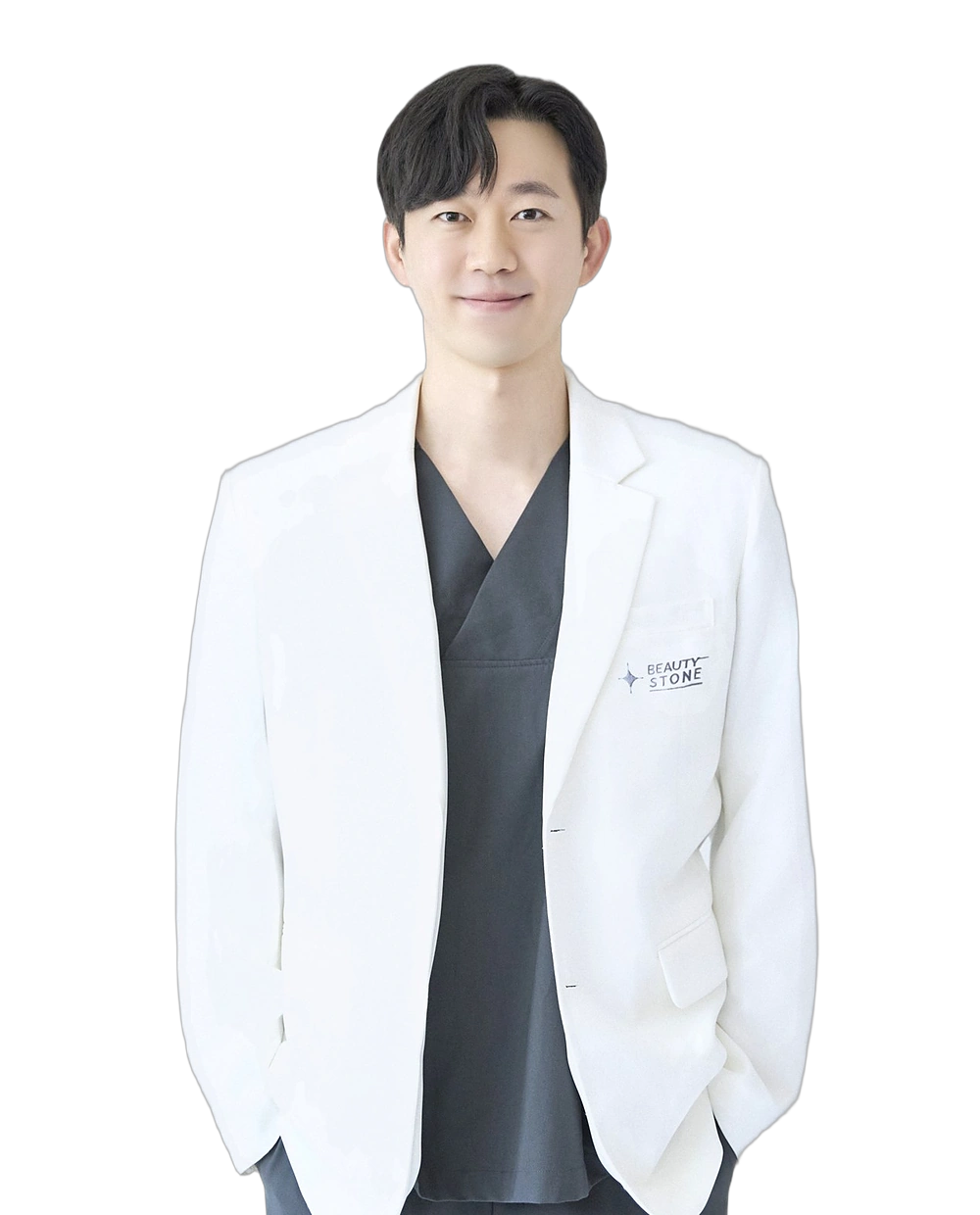
Kim Simon Jang-ju Head Physician
JANGJU KIM
Head Physician Kim Simon Jang-ju practices at STON Clinic, LOTTE HOTEL in Myeongdong (from December 1, 2026).
Career / Education
- Current) Head Physician (practicing at STON Clinic Myeongdong and Beautystone Clinic Hapjeong; Myeongdong from Dec 1, 2026)
- Graduated from Kyung Hee University College of Medicine
Comments